Honey Buddy Font Review: A Chic Handwritten Typeface
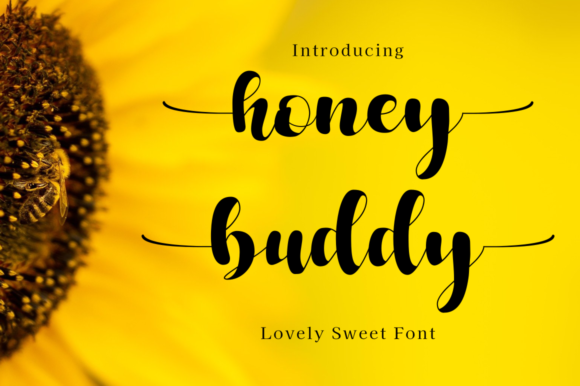
I was staring at a blank brand board for a local artisanal bakery last Tuesday, trying to capture that specific feeling of warmth and homemade quality without slipping into cliché. The client wanted something that felt personal, like a note passed between friends, but still polished enough for high-end packaging. I scrolled through my library of Script Handwritten Fonts, skipping over the overly perfect digital scripts and the messy ones that lost legibility at small sizes. Then I loaded up Honey Buddy. It stopped me in my tracks. This isn’t just another decorative typeface; it is a chic and beautiful handwritten font with an incredibly authentic feel that bridges the gap between casual charm and professional design.
The Authentic Feel of a Premium Font
What immediately stands out about Honey Buddy is its texture. Many modern typography systems strive for geometric perfection, but this font retains the organic irregularities of real ink on paper. The strokes vary naturally in weight, mimicking the pressure changes of a actual brush or pen. When I dropped it into a logo concept for the bakery, it didn’t look like a computer had generated it; it looked like someone had actually written it. This authenticity is crucial for brand identity projects where trust and human connection are key selling points.
As a designer, I appreciate when a font has personality without being overpowering. Honey Buddy strikes that balance. It feels approachable and friendly, yet sophisticated. It is not childish, nor is it stiff. This makes it a versatile creative font for various industries, from skincare brands aiming for a natural aesthetic to boutique cafes wanting to emphasize their craft. The visual hierarchy it creates is soft but distinct, drawing the eye without shouting.
Real-World Application in Logo Design and Packaging
Testing Honey Buddy in a realistic branding context revealed its strengths as a display font. I used it for the primary logotype on a packaging mockup for a line of handmade soaps. At larger sizes, the swashes and ligatures shine. The font flows beautifully, with connections between letters that feel intuitive rather than forced. However, the real game-changer here is the technical setup. Honey Buddy is PUA encoded, which means you can access all of the glyphs and swashes with ease.
In practical terms, this saved me hours of manual tweaking. Instead of hunting through character maps or using complex OpenType features that might not work in every software, I could simply click to alternate between different letterforms. This allowed me to customize the wordmark quickly, ensuring no two letters looked identical—a common tell of digital fonts. For packaging design, where space is limited and impact is everything, having these alternates at my fingertips meant I could adjust the kerning and flow to fit the label perfectly while maintaining a hand-lettered look.
Pairing and Visual Harmony
A common mistake with script fonts is pairing them with equally decorative partners, which creates visual noise. Honey Buddy works best when grounded by a stable counterpart. In my project, I paired it with a clean, neutral sans serif font for the body text and secondary information. The contrast between the fluid, organic curves of Honey Buddy and the structured lines of the sans serif created a balanced composition. This combination is effective for web design headers, business cards, and editorial design layouts.
If you are aiming for a more traditional or literary vibe, you might experiment with a classic serif font. The juxtaposition of the handwritten style with the formal serifs can evoke a sense of heritage and craftsmanship. However, for most modern commercial font applications, keeping the supporting typography minimal allows Honey Buddy to take center stage. It serves excellently as an accent font or headline font, guiding the viewer’s attention to the most important messages.
Digital Presence and Social Media Graphics
Beyond print, I tested Honey Buddy in digital environments. For social media graphics, particularly Instagram posts and stories, the font performs exceptionally well. Its thick strokes remain readable even on smaller mobile screens, provided the background contrast is sufficient. I used it for quote overlays and promotional banners, where its friendly demeanor helped increase engagement. The font’s inherent charm makes content feel less like an advertisement and more like a personal recommendation.
For web design, it is ideal for hero sections and call-to-action buttons. However, caution is needed. Like most script fonts, it should not be used for long paragraphs or body copy. Readability drops significantly at small sizes or in dense blocks of text. Stick to using it for short phrases, titles, and logos. This ensures that the brand perception remains professional and accessible, avoiding the frustration of users struggling to decipher the text.
Limitations and Practical Advice
While Honey Buddy is a standout choice for many projects, it is not a one-size-fits-all solution. It is not suitable for corporate identities that require a strict, formal tone, such as law firms or financial institutions. The relaxed, handwritten nature might undermine the seriousness required in those sectors. Additionally, avoid using it for technical documents or any design where clarity at a distance is paramount, such as highway signage or small-print legal disclaimers.
Before committing to Honey Buddy for client work, always test it in the specific medium you intend to use. Print it out. View it on different devices. Check how the PUA encoded swashes render in your design software. Not all programs handle private use area characters the same way, so verifying compatibility is a smart step. Also, ensure you review the commercial font licensing terms. Whether you are using it for merchandise, websites, digital products, or print-on-demand items, understanding the license protects both you and your client from legal issues.
In conclusion, Honey Buddy is a valuable addition to any designer’s toolkit. It offers the warmth of handwriting with the precision of digital type. Its ease of use, thanks to PUA encoding, and its versatile aesthetic make it a reliable choice for creating memorable brand identities. Whether you are designing a logo, refreshing a café’s visual identity, or crafting social media content, this font delivers an authentic, chic presence that resonates with audiences.